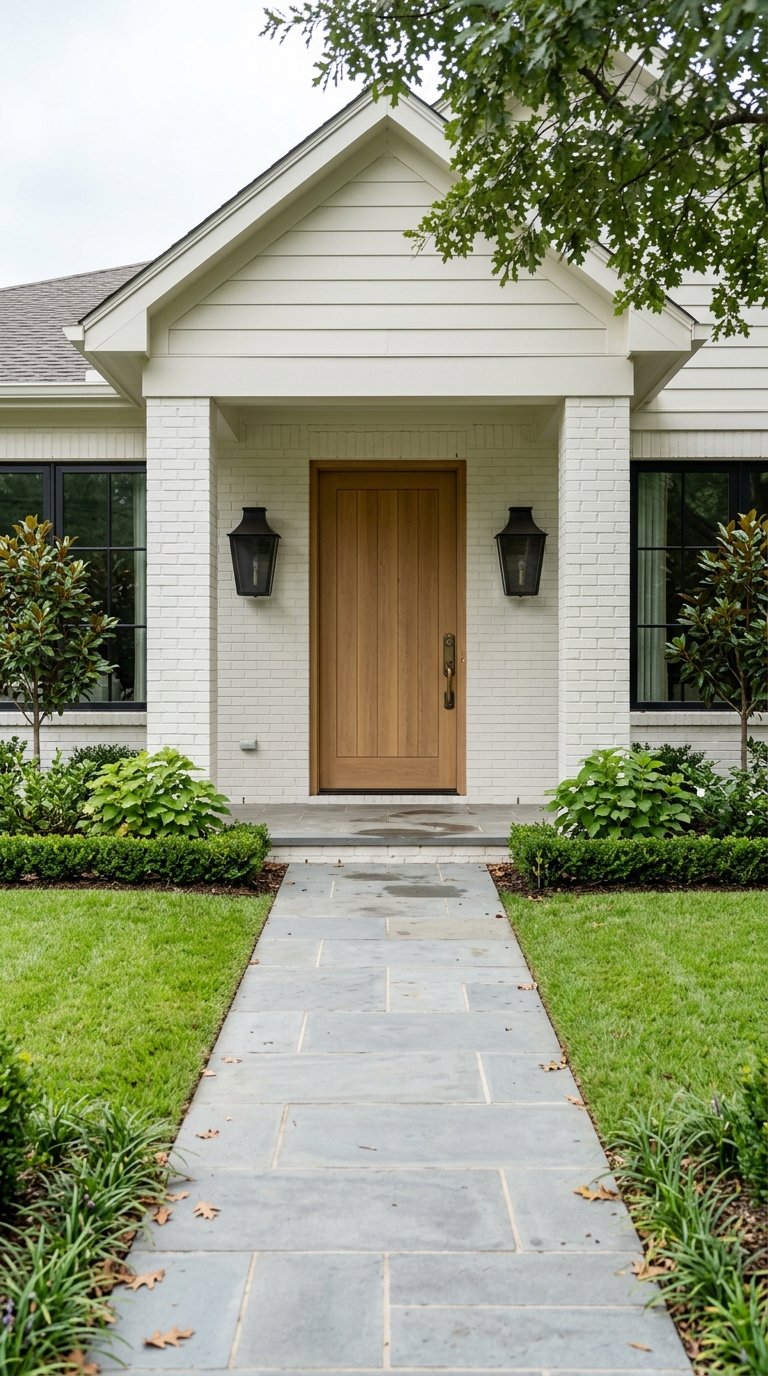
If you are thinking about selling in Sandy Springs, you have probably asked the big question right away: What should my home be listed for? In this market, there is rarely one simple answer. Pricing takes local data, close comparison, and honest strategy. This is where a thoughtful agent can help you avoid guesswork and make a smarter first move. Let’s dive in.
Why pricing in Sandy Springs is not simple
Sandy Springs is not a one-price market. Recent market snapshots place the median sale or listing price in a broad range, from about $570,000 to $645,000 depending on the source and methodology used. That does not mean the data is conflicting. It means pricing has to be read as a range, not a single citywide number.
That range gets even wider when you look at individual areas within Sandy Springs. Recent neighborhood metrics show median listing prices around $266,000 in North Springs, about $360,000 in Perimeter Center, roughly $912,000 in Highpoint, and about $1.422 million in Riverside. If you price your home using the wrong part of the city as your benchmark, you can miss the market by a wide margin.
This is one reason experienced agents do not rely on headlines alone. They narrow the focus to your micro-market, then compare your home to nearby properties with similar size, condition, and features. In a place like Sandy Springs, that neighborhood-level detail matters.
What agents look at first
The starting point is usually recent comparable sales. These are homes that have sold recently and are close to yours in location, style, size, and overall condition. Sold comps matter because they show what buyers were actually willing to pay, not just what a seller hoped to get.
Agents also study current competition. Active listings tell you what other sellers are asking right now, and that matters because list prices are a leading signal of seller expectations in the current market. If similar homes are already sitting on the market, that can affect how aggressively your home should be priced.
Condition is another major factor. Realtor.com’s Sandy Springs guidance notes that pricing should reflect both market factors and property condition. Minor cosmetic improvements like fresh paint, updated fixtures, and landscaping can help, while major renovations do not always return their full cost even if they improve buyer interest or shorten time on market.
How condition changes the price conversation
Two homes can have the same floor plan and the same street, yet deserve different list prices. A home with updated finishes, strong curb appeal, and visible maintenance may support a higher price than a nearby home that feels dated. Buyers notice these differences quickly, and they often build repair or update costs into what they are willing to offer.
This does not always mean you need a big pre-listing project. In many cases, smaller updates can make the pricing strategy stronger. Clean presentation, simple cosmetic improvements, and a well-prepared launch can help your home compete without overspending before you list.
What the current market says about pricing discipline
Sandy Springs still has active buyer demand, but it is not a frenzy market. Recent local data shows about 542 to 590 homes for sale, median days on market around 45, and a sale-to-list ratio hovering near 99% or 0.986 depending on the source. That tells you homes are selling, but buyers are still paying attention to value.
Redfin describes Sandy Springs as somewhat competitive. On average, homes sell for about 2% below list and go pending in around 39 days, while hot homes can sell at list and go pending in roughly 16 days. In other words, the market can still reward strong pricing, but it does not consistently forgive overpricing.
Mortgage rates also affect the conversation. Freddie Mac reported the 30-year fixed rate at 6.36% on May 14, 2026. Higher borrowing costs can limit affordability, which often makes buyers more selective and puts more pressure on sellers to launch at a realistic price.
Why the first list price matters so much
The first list price is not just an opening number. It shapes how buyers and agents react when your home hits the market. If the price matches buyer expectations, you are more likely to generate strong early interest, more showings, and possibly faster offers.
If the price is too high, buyers may skip over the listing or compare it unfavorably to better-positioned homes. One of the biggest risks is not just sitting longer. It is becoming stale in the eyes of the market.
That early window matters. A practical takeaway from current market behavior is that the first one to two weeks often act as the market’s clearest test of whether the asking price is working. If response is weak, it may be a sign that buyers see the home as overpriced.
How agents decide between three pricing paths
Most pricing strategies fall into one of three lanes.
Price at market value
This is often the most balanced option. The home is listed near what recent sold comps, current competition, and condition suggest buyers will support. In a market like Sandy Springs, this approach can help sellers attract solid interest without giving away value.
Price slightly above market
Some sellers want room to negotiate. That can work in certain situations, especially if the home offers a strong location, standout updates, or features that are hard to duplicate nearby. Still, this strategy carries more risk in a market where many homes sell below original list price and buyers are watching affordability closely.
Price slightly below market
This can be a deliberate move to attract more attention and create competition. If your home shows well and enters the market cleanly, a slightly sharper price can sometimes bring stronger activity. The tradeoff is obvious: if demand does not respond the way you hoped, you may leave money on the table.
Why neighborhood-specific pricing matters in Sandy Springs
Sandy Springs has a wide internal spread in pricing, and that is one of the biggest reasons generic estimates fall short. A condo or smaller home near Perimeter Center is part of a very different pricing conversation than a larger property in Riverside or Highpoint. Even within the same ZIP code, buyer expectations can shift based on product type, updates, lot, and nearby competition.
Location features can also influence demand. The City of Sandy Springs notes that the area has four MARTA rail stations with connections to Buckhead, Midtown, Downtown Atlanta, and Hartsfield-Jackson. For some buyers, access to transit and commuter corridors can strengthen appeal and affect how they compare one listing to another.
What sellers should expect from a pricing conversation
A strong pricing discussion should start with a realistic range, not a magic number pulled from a broad online estimate. Your agent should review recent sold comps, active listings, pending activity if available, and your home’s condition in clear terms. You should walk away understanding not just the suggested list price, but why it makes sense.
That conversation should also be honest. If your home has standout strengths, those should be reflected. If it has dated areas or heavier competition, that should be part of the strategy too.
The goal is not to impress you with the highest possible number. The goal is to position your home so it has the best chance to attract the right buyers, protect your value, and move on a timeline that works for you.
If you are preparing to sell in Sandy Springs, the right pricing strategy starts with local context, careful listening, and a realistic look at your competition. For tailored guidance and responsive support, connect with Keisha Williams.
FAQs
How do agents price homes in Sandy Springs?
- Agents usually start with recent comparable sales in the closest micro-market, then adjust for your home’s condition, features, and current competition.
What is the median home price in Sandy Springs right now?
- Recent sources place Sandy Springs in a broad range, with median sale or listing figures roughly between $570,000 and $645,000 depending on the source and calculation method.
Why can two Sandy Springs homes have very different prices?
- Sandy Springs has major variation by area, with recent neighborhood median listing prices ranging from about $266,000 to over $1.4 million, so pricing depends heavily on location, home type, and condition.
Does overpricing a home in Sandy Springs hurt the sale?
- Yes. Overpricing can reduce early interest, increase days on market, and make the listing feel stale compared with better-priced competition.
Do minor home updates help with pricing in Sandy Springs?
- Yes. Minor cosmetic improvements like paint, fixtures, and landscaping can help support buyer interest, while major renovations do not always return their full cost.
Is Sandy Springs still a competitive market for sellers?
- Sandy Springs remains active, but it is not a frenzy market. Homes are selling, yet buyers still appear price-sensitive, and strong pricing discipline matters.